
Tips for Creating a Sustainable Home Garden Throughout the Year
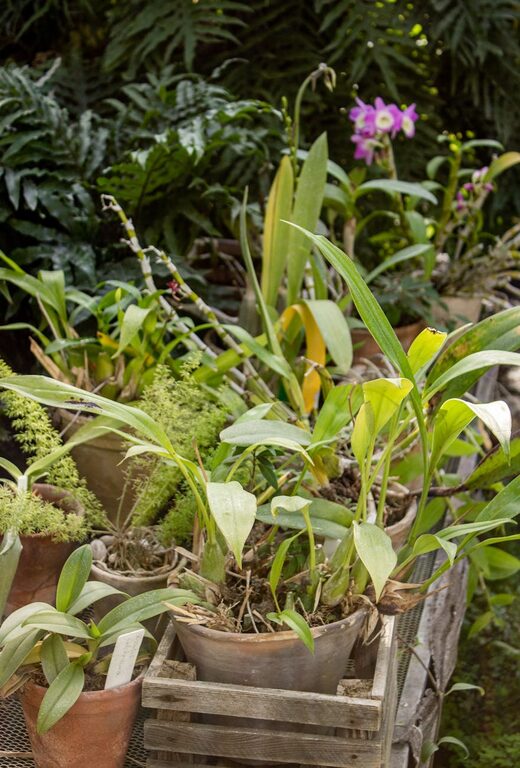
Creating a sustainable home garden is a rewarding project that not only provides fresh produce and beautiful plants but also helps protect the environment. A garden that stays productive and healthy throughout the year requires thoughtful planning and care. Whether you’re a beginner or an experienced gardener, these tips will guide you in cultivating a garden that lasts all year long.
What Is a Sustainable Garden?
A sustainable garden focuses on natural processes and uses resources wisely to minimize waste and environmental impact. This means selecting plants that suit your local climate, using organic materials, conserving water, and encouraging biodiversity. The goal is a garden that supports itself with minimal outside input.
Planning Your Garden for Year-Round Success
Choose the Right Plants
Selecting plants well-suited to your climate is critical. Native plants often require less water and are naturally resistant to local pests and diseases. To enjoy a productive garden throughout the year, include a mix of:
– Perennials: Plants that return every season, reducing the need to replant.
– Seasonal vegetables: Choose crops that grow in cool and warm weather to stagger your harvest.
– Herbs and shrubs: Many herbs grow year-round and help attract beneficial insects.
Design with Rotation and Companion Planting in Mind
Rotate crops seasonally to prevent soil depletion and reduce pest issues. Companion planting also helps—certain plants grow better near each other and can naturally deter pests or improve soil conditions.
Preparing and Improving Your Soil
Healthy soil is the foundation of a sustainable garden.
– Test your soil: Knowing its pH and nutrient content guides your choice of amendments.
– Add organic matter: Compost, leaf mold, and mulch enrich the soil and improve moisture retention.
– Avoid chemicals: Use natural fertilizers and pest controls to maintain soil life and health.
Mulching around plants keeps moisture in the soil longer and helps regulate soil temperature, benefiting roots in both hot and cold seasons.
Water Wisely
Water conservation is key for any sustainable garden.
– Collect rainwater: Use barrels or other containers to gather rain for garden use.
– Water deeply but less frequently: This encourages deep root growth and reduces water loss.
– Water early in the day: Morning watering limits evaporation and fungal diseases.
– Use drip irrigation or soaker hoses: These deliver water directly to roots, minimizing waste.
Encourage Biodiversity
A diverse garden ecosystem can naturally balance pests and pollination.
– Add flowering plants: Flowers attract pollinators like bees and butterflies.
– Include native shrubs and trees: They provide shelter and food for beneficial wildlife.
– Avoid pesticides: Instead, encourage natural predators like ladybugs and birds.
Seasonal Maintenance Tips
Spring
– Clean up debris and prune dead branches.
– Prepare beds by adding compost.
– Start sowing seeds for cool-season vegetables.
Summer
– Mulch heavily to preserve moisture.
– Keep an eye out for pests and diseases.
– Harvest regularly to encourage growth.
Fall
– Plant cover crops to restore soil nutrients.
– Divide perennials if needed.
– Collect and compost fallen leaves.
Winter
– Plan next year’s garden layout.
– Use protective coverings like cold frames or mulch for sensitive plants.
– Maintain tools and equipment.
Reduce Waste and Reuse Materials
Composting kitchen scraps and garden waste reduces landfill garbage and creates nutrient-rich soil. Reuse containers for pots and create DIY garden markers from recycled materials.
Benefits of a Sustainable Home Garden
A sustainable garden helps reduce your carbon footprint and supports local wildlife. It can also improve your health by providing fresh food and a relaxing outdoor space. Plus, it often saves money over time by reducing the need for chemical fertilizers, water, and plant replacements.
Final Thoughts
Building a sustainable home garden is a continuous process that adjusts with the seasons and your experience. Focus on nurturing the soil, selecting suitable plants, and conserving resources. With time and care, your garden will flourish year-round, offering beauty, bounty, and a connection to nature.
—
By following these simple tips, you can create a thriving, eco-friendly garden that benefits both your home and the planet, every season of the year. Happy gardening!