
Tips for Creating a Relaxing Home Workspace to Boost Productivity and Comfort
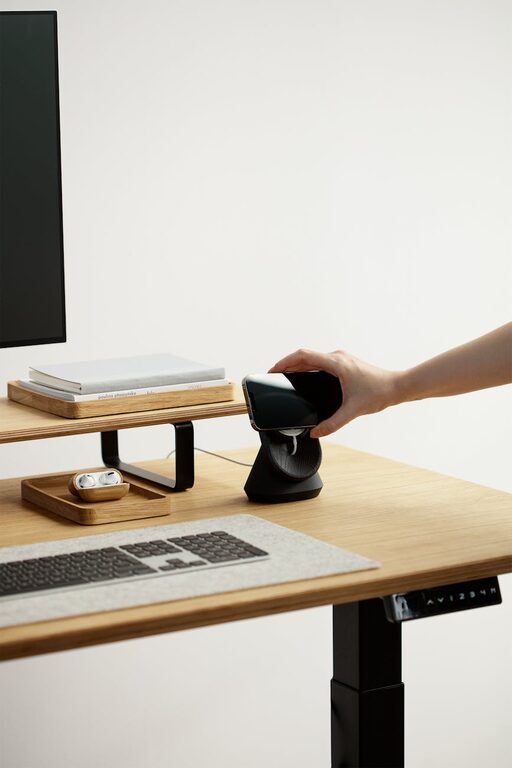
Creating a relaxing home workspace is essential for anyone who spends significant time working from home. A well-designed space not only increases productivity but also promotes comfort and well-being. Whether you’re a remote employee, freelancer, or student, your environment can have a considerable impact on how you focus and perform. In this post, we’ll explore practical tips to help you craft a calming and efficient home workspace.
Why a Relaxing Workspace Matters
Your workspace is more than just a desk and chair. It’s where you spend hours thinking, creating, and completing tasks. A cluttered, uncomfortable, or uninspiring setup can lead to stress and decreased motivation. On the other hand, a space that feels peaceful and organized can help reduce distractions, minimize fatigue, and encourage a better work-life balance.
Choose the Right Location
Selecting the best spot for your workspace is the first step to creating a relaxing atmosphere.
– Look for natural light: Position your desk near a window if possible. Natural light improves mood and reduces eye strain.
– Minimize noise distractions: Choose a quiet area or use noise-cancelling headphones if noise is unavoidable.
– Consider privacy: Ensure your space allows for focus with minimal interruptions.
Invest in Comfortable Furniture
Comfort is key when sitting for long periods. Ergonomic furniture helps maintain good posture and prevents discomfort.
– Ergonomic chair: Use a chair with adjustable height, lumbar support, and comfortable cushioning.
– Desk height: Your desk should allow your arms to rest comfortably at a 90-degree angle when typing.
– Footrest: If your feet don’t touch the floor, use a footrest to reduce pressure on your legs.
Keep Your Space Organized
An organized workspace promotes clarity and reduces stress.
– Declutter regularly: Remove unnecessary items from your desk daily or weekly.
– Storage solutions: Use shelves, drawers, or boxes to keep papers and supplies out of sight.
– Cable management: Organize cords with clips or sleeves to avoid tangles and distractions.
Use Calming Colors and Decor
Colors and decor influence how you feel in a space.
– Choose soothing colors: Soft blues, greens, or neutrals can promote calmness.
– Add plants: Indoor plants improve air quality and create a connection with nature.
– Personal touches: Include inspiring artwork or photos, but avoid cluttering surfaces.
Optimize Lighting
Proper lighting reduces eye strain and creates a welcoming environment.
– Blend natural and artificial light: Use adjustable desk lamps with warm light to complement daylight.
– Avoid glare: Position screens to prevent reflections and eye discomfort.
– Use dimmable lights: These allow you to adjust brightness based on the time of day and tasks.
Incorporate Relaxation Elements
Adding calming elements to your workspace can boost comfort and help manage stress.
– Aromatherapy: Mild scents like lavender or eucalyptus can promote relaxation.
– Soft textures: A cozy blanket or cushion can make your chair more comfortable.
– Break area: Create a small space for stretching or short breaks without leaving your work zone.
Technology Tips for a Smooth Workflow
Streamlining technology reduces frustration and keeps you focused.
– Reliable internet: Ensure your connection is stable for virtual meetings and file sharing.
– Quality equipment: Invest in a good headset, keyboard, and mouse for comfort.
– Digital organization: Use apps and tools to keep your tasks, documents, and calendar well-organized.
Establish Boundaries and Routine
A consistent routine and clear boundaries help maintain productivity in a home environment.
– Set working hours: Define when you start and end work to maintain work-life balance.
– Communicate with others: Inform family or roommates about your schedule to minimize disruptions.
– Take regular breaks: Use techniques like the Pomodoro method to work efficiently and avoid burnout.
Final Thoughts
Creating a relaxing home workspace takes a little planning and personalization, but the benefits are well worth the effort. Your space should support your comfort and productivity, allowing you to focus while feeling calm and inspired. Start with small changes and adjust your setup over time to find what works best for you. A peaceful workspace is a foundation for success in any home-based endeavor.