
Tips for Creating a Beautiful and Functional Home Garden Space
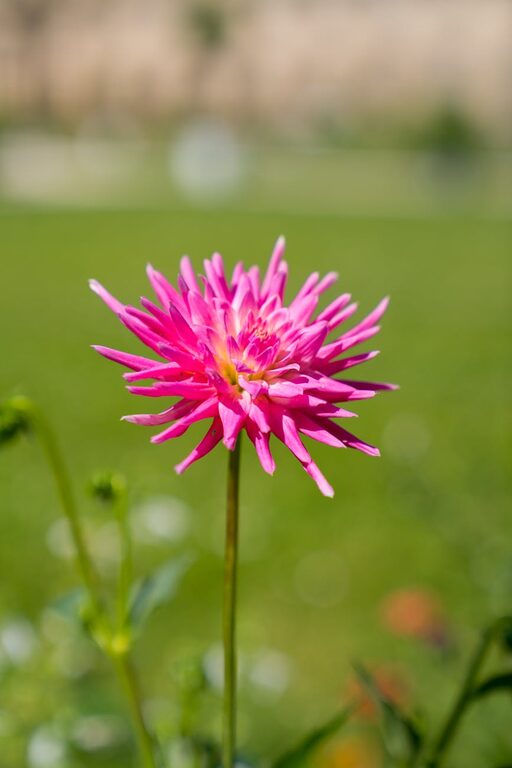
Creating a beautiful and functional home garden space is a rewarding way to enhance your living environment. Whether you have a large backyard or a small balcony, thoughtful planning and a few key tips can transform your outdoor area into a charming, practical oasis. This guide will help you design a garden tailored to your style and needs, making it a space you’ll love to spend time in.
Plan Your Garden Before You Start
Before planting anything, it’s important to create a clear plan for your garden space.
– Assess Your Space: Measure the area and note existing features like trees, paths, and structures.
– Consider Sunlight: Observe how much sun each area receives during the day to choose suitable plants.
– Define Your Purpose: Decide if your garden will be a relaxing retreat, a space for growing vegetables, or an area for entertaining.
Sketching a simple layout can help visualize where to place plants, seating, and other elements.
Choose the Right Plants
Selecting appropriate plants is key to both beauty and function.
– Match Plants to Conditions: Use plants that thrive in your climate and soil type.
– Mix Textures and Colors: Combine foliage varieties and flower colors to add interest throughout the seasons.
– Include Edibles: Incorporate herbs, fruits, or vegetables for fresh ingredients and added enjoyment.
– Select Low-Maintenance Varieties: If you have limited time, choose plants that require less watering and pruning.
Native plants are often a great choice because they adapt well to local conditions and support local wildlife.
Create Functional Zones
Organizing your garden into different zones helps maximize usability.
– Seating Area: Add comfortable chairs or benches for relaxation.
– Pathways: Use stones or mulch to create clear walkways that protect plants and guide visitors.
– Planting Beds: Designate areas for flowers, shrubs, or vegetables.
– Storage Spot: Have a neat place for tools and garden supplies, such as a small shed or storage bench.
By defining these zones, your garden stays organized and inviting.
Incorporate Hardscaping Elements
Hardscaping refers to non-plant features that add structure and style.
– Patios and Decks: Provide sturdy surfaces for outdoor furniture.
– Garden Borders: Use stones, bricks, or wood to outline flower beds.
– Water Features: Small ponds or fountains add calming sounds and attract birds.
– Lighting: Solar or low-voltage lights extend usability into the evening and highlight key areas.
Balancing plants with hardscape components creates layers of visual appeal and improves function.
Focus on Soil and Watering
Healthy soil and proper watering habits are essential for a thriving garden.
– Test and Improve Soil: Adding compost or organic matter enhances soil fertility and drainage.
– Mulch Beds: Mulch helps retain moisture, prevent weeds, and regulate soil temperature.
– Water Wisely: Water early in the morning or late in the evening to minimize evaporation; consider drip irrigation for efficiency.
– Monitor Plant Needs: Some plants require more water than others, so adjust accordingly.
Good soil and watering practices reduce plant stress and boost growth.
Add Personal Touches
Making the garden reflect your personality will make it feel like home.
– Decorative Accessories: Use garden statues, colorful pots, or wind chimes.
– DIY Projects: Build your own garden furniture or planters.
– Seasonal Touches: Change decorations and plantings by season for continuous freshness.
– Wildlife-Friendly Features: Bird feeders, butterfly houses, or bee-friendly flowers invite nature closer.
These details create a warm, enjoyable outdoor space.
Maintain Regularly
Keeping the garden looking its best requires ongoing care.
– Regular Weeding: Prevent weed overgrowth which competes with your plants.
– Prune and Deadhead: Remove dead or overgrown plant parts to encourage new growth.
– Clean Up: Rake leaves and clear debris to avoid pests and diseases.
– Inspect Plants: Watch for signs of pests or illness and address issues promptly.
A little effort each week ensures your garden stays healthy and attractive.
Conclusion
Crafting a beautiful and functional home garden space is an enjoyable project that can improve your quality of life. By planning carefully, selecting suitable plants, creating functional zones, and adding personal touches, you’ll develop a garden that suits your lifestyle and brings you joy throughout the year. Remember, patience and regular care are key to a thriving garden, so start small, stay consistent, and watch your outdoor haven flourish!